The Diverse Uses of Sugar Walking Stick: From Food Products to Biofuels
Sugar Cane is a plant with varied applications that expand much beyond basic sweeteners. Its products vary from granulated sugar and molasses to fermented alcohols and lasting product packaging products. Furthermore, it plays a function in the manufacturing of eco-friendly biofuels. Comprehending these multifaceted uses reveals the environmental and financial value of sugar Cane growing. Yet, the effects of its farming methods question worth discovering further.
The Role of Sugar Cane in Sweetener Production
Sugar Cane is often linked primarily with its sweet taste, it plays a crucial function in the production of various sweeteners worldwide. The procedure starts with removing juice from sugar walking cane, which is after that cleared up and vaporized to create raw sugar. This raw sugar undergoes more improvement to produce granulated sugar, extensively utilized in families and sectors. In enhancement to typical granulated sugar, sugar Cane is also the source of molasses, a thick syrup that is and retains many nutrients utilized in cooking and cooking.
Furthermore, sugar Cane acts as the foundation for producing alternate sugar like high-fructose corn syrup and certain man-made sugar, which are progressively popular in food and beverage manufacturing. The versatility of sugar Cane in sugar production not only pleases customer need for sweetness but additionally supports different food markets, highlighting its importance beyond mere taste.
Sugar Cane in Food Products Beyond Sweeteners
Sugar Cane provides numerous nutritional advantages that expand beyond its function as a sugar. Its convenience in cooking applications has resulted in innovative uses in a variety of food items, improving tastes and appearances. This exploration highlights the wider contributions of sugar Cane to the food market.
Nutritional Perks of Sugar Cane
The nutritional benefits of sugar Cane expand far past its widely known role as a sweetener. This flexible plant is abundant in important vitamins and minerals, consisting of calcium, iron, magnesium, and potassium. Furthermore, sugar Cane contains antioxidants that assist fight oxidative stress in the body. Its high fiber content help in digestion and promotes digestive tract health and wellness, making it a valuable enhancement to the diet. Sugar Cane juice is often consumed for its hydrating residential properties and natural energy boost, providing a source of quick carbohydrates. The existence of phytonutrients contributes to its health advantages, potentially sustaining immune function. Overall, sugar Cane supplies a variety of dietary benefits, contributing to a well balanced and health-conscious way of living.
Culinary Advancements and applications
While frequently recognized primarily for its sweetness, sugar Cane has actually become an innovative ingredient in various culinary applications beyond standard sweeteners. Chefs and food manufacturers are progressively utilizing sugar Cane juice and syrup to improve taste accounts in full-flavored meals, marinades, and sauces. Its all-natural sweet taste equilibriums seasonings and acidity, making it a flexible element in worldwide foods. In addition, sugar Cane fibers are locating their way right into gluten-free flours, providing appearance and nutritional benefits. Ingenious treats, such as sugar Cane sorbets and sweets, display its distinct flavor, while beverages like sugar Cane alcoholic drinks and teas highlight its invigorating top qualities. These cooking advancements show sugar walking cane's potential to reinvent modern gastronomy.
The Manufacturing of Alcoholic Drinks From Sugar Walking Cane
Changing sugar Cane right into alcoholic drinks showcases the flexibility of this tropical crop. The fermentation of sugar Cane juice or molasses results in a variety of preferred beverages, consisting of cachaça, aguardiente, and rum. These beverages are deeply rooted in the societies of sugar-producing areas, especially in the Caribbean and South America.
The manufacturing procedure begins with the removal of juice from freshly collected sugar walking stick, which is then fermented making use of yeast. This fermentation transforms the sugars right into alcohol, creating a base that can be distilled for higher alcohol web content. Distillation techniques differ, influencing the flavor profiles and features of the end product.
In addition, aging in barrels can enhance the complexity and deepness of tastes in spirits like rum. Generally, the change of sugar Cane into alcohols not only highlights its farming significance but additionally adds greatly to the global drink industry, offering rich and varied experiences for consumers.
Sugar Cane and Its Usage in Biodegradable Packaging
Sugar walking stick's versatility expands past drink production to ingenious applications in naturally degradable packaging. This renewable energy is increasingly being used to produce environmentally friendly packaging services that minimize dependence on petroleum-based plastics. Originated from the coarse deposit of sugar cane, referred to as bagasse, producers can generate naturally degradable materials that decompose much more quickly than conventional plastics.
These sugar cane-based product packaging items offer a sustainable choice for numerous sectors, including food and customer products. They not just minimize ecological impact but also line up with the expanding customer need for sustainable techniques. Additionally, sugar Cane packaging can be engineered to check my blog preserve resilience while being lightweight, making sure that it meets the practical requirements of organizations.
As environmental worries escalate, the shift in the direction of biodegradable products, such as those derived from sugar walking stick, presents a promising path towards sustainable packaging solutions that add to a round economic climate.
Checking Out Sugar Cane as a Sustainable Biofuel
As the globe seeks renewable resource resources, sugar Cane becomes an appealing prospect for lasting biofuel production. This functional crop can be converted right into ethanol, a cleaner-burning choice to nonrenewable fuel sources - What Is Sugar Cane Used For. The fermentation process makes use of the sugars removed from the walking cane, resulting in a renewable resource resource that greatly lowers greenhouse gas discharges contrasted to typical fuels
Sugar walking stick's high power return per hectare further boosts its feasibility as a biofuel. It can be grown in various climates, making it available for lots of areas, particularly in subtropical and tropical locations. In addition, the byproducts of sugar Cane processing can be utilized in generating power, including another layer of sustainability to its use. The adoption of sugar cane-based biofuels not just advertises energy freedom but additionally supports farming economies. As a result, sugar Cane stands out as a sustainable option in the global change towards renewable power.
Nutritional Advantages of Sugar Cane and Its By-products
The capacity of sugar Cane prolongs past its function in lasting biofuel manufacturing; it also provides considerable dietary advantages. Rich in crucial nutrients, sugar Cane supplies vital minerals such as potassium, magnesium, and calcium, which add to overall health. Furthermore, its juice is a natural source of anti-oxidants, assisting to fight oxidative anxiety in the body.
Sugar Cane results, such as molasses, better boost its dietary profile. Molasses is high in iron, making it an important addition for those seeking to boost their iron intake. Moreover, both sugar Cane and its byproducts have nutritional fiber, which helps food digestion and advertises a healthy digestive tract.
The visibility of vitamins, especially B vitamins, in sugar Cane sustains basal metabolism and total well-being. Jointly, these dietary aspects placement sugar Cane as even more than simply a resource of sweetness, making it a functional element in numerous diets.
The Ecological Effect of Sugar Cane Cultivation
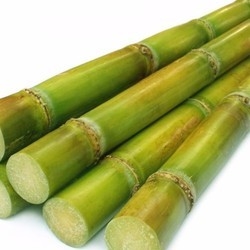
Conversely, the cultivation process can cause various ecological difficulties. Deforestation frequently takes place to make method for sugar Cane areas, which interrupts communities and biodiversity. Additionally, the heavy use chemicals and fertilizers can result in soil destruction and water contamination, affecting regional wild animals and areas. Moreover, the extensive irrigation needed in some areas can diminish water resources, bring about shortage.
Regularly Asked Questions
How Does Sugar Cane Affect Soil Health And Wellness Throughout Farming?
The farming of sugar Cane significantly influences dirt health and wellness. It can enhance dirt framework and fertility via natural issue addition, yet too much use of fertilizers might bring about vitamins and mineral deficiency and soil deterioration over time.
What Are the Economic Conveniences of Sugar Cane Farming?
The economic advantages of sugar Cane farming consist of her explanation task development, enhanced local earnings, and contributions to national GDP. Additionally, sugar walking stick's convenience permits for varied market opportunities, enhancing farmers' economic security and promoting agricultural development.
Can Sugar Cane Be Grown in Non-Tropical Regions?
Sugar Cane can be cultivated in non-tropical regions, provided the climate is frost-free and sufficiently warm. What Is Sugar Cane Used For. Adaptation techniques, such as selecting suitable ranges and employing watering, can boost its development possibility in these areas
What Insects and Illness Affect Sugar Cane Crops?
Pests such as sugarcane borers and aphids, along with conditions have a peek at this website like red rot and rust, considerably effect sugar Cane crops. These threats can decrease return and quality, demanding efficient monitoring techniques for farmers.
Exactly How Is Sugar Cane Harvested and Processed?
Sugar Cane is normally collected by cutting the stalks close to the ground. After collecting, the Cane is moved to processing facilities where it is crushed to remove juice, which is after that improved right into various items.
Sugar Cane is a crop with varied applications that extend far beyond straightforward sugar. The process begins with extracting juice from sugar walking cane, which is then clarified and evaporated to generate raw sugar. Cutting-edge treats, such as sugar Cane sorbets and sweets, showcase its special taste, while drinks like sugar Cane alcoholic drinks and teas highlight its invigorating high qualities. The presence of vitamins, especially B vitamins, in sugar Cane supports energy metabolism and overall health (What Is Sugar Cane Used For). On one hand, sugar Cane is an eco-friendly resource that can add to sustainable farming and supply biofuels, lowering dependence on fossil fuels
Comments on “What Is Sugar Cane Used For? A Comprehensive Overview of Culinary & Industrial Applications”